
HSV01 - Volume 1: Introduction to Hydraulics for Industry Professionals
Program Description
Hydraulic control serves almost all industries we can see around us, such as civil engineering, aerospace, military, agriculture, oil and gas, etc. This 27-hour (5-day) seminar overviews components and basics of building hydraulic systems. The core part of the seminar covers the construction, operating principle, and sizing of basic hydraulic components such as pumps, motors, valves, cylinders, rotary actuators and accumulators.
The course also presents the terminologies and interpretation of symbols that help in reading hydraulic circuit diagrams. The seminar presents detailed discussion about line losses, and sources of inefficiencies in pumps. The course concludes by exploring the basic techniques to build hydraulic circuits that work safely and efficiently. The course covers basic applications such as pressure limiting, pump unloading, driving single and multiple actuators against, resistive, overrunning, and combined loads. Other applications are covered such as sequence control and hydrostatic transmission.
Who Should Attend
This seminar presents wide foundational understanding of hydraulic systems. Both inexperienced and experienced people should take the course where everyone will have some space to learn things based on their needs. Despite being named introduction, the contents of the seminar are certainly beyond that. The target audience is engineers, technical sales personnel, technicians, and even management personnel.
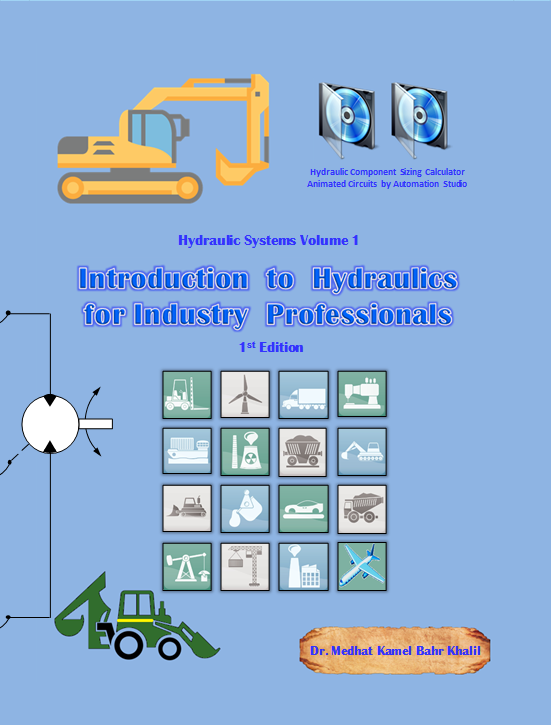
Seminar attendees receive a free copy of Introduction to Hydraulics for Industry Professionals.
Upon successful completion, you will be able to:
- Identify the distinguishing features of hydraulic systems
- Recognize hydraulic components symbols and read schematics based on ISO standards
- Read hydraulic circuits diagrams
- Perform the required calculation to size a basic hydraulic system
- Explain the operation and applications of pumps, motors, valves, cylinders, rotary actuators and accumulators
- Apply continuity and energy balance equations
- Describe the basic configuration and operation of hydrostatic transmissions
Program Details
 Course Outline
- CH01: Hydraulic Systems Overview
- CH02: Basic Concepts Review
- CH03: Hydraulic Component Sizing Calculations
- CH04: Hydraulic Pumps and Motors
- CH05: Hydraulic Valves Overview
- CH06: Hydraulic Reciprocating Actuators
- CH07: Hydraulic Accumulators
- CH08: Hydraulic Circuits for Basic Applications
Laboratory Sessions
- Lab01: Energy Losses in Hydraulic Conductors
- Lab02: Power Distribution in a Hydraulic System
- Lab03: Valve Coefficient Development.
- Lab04: Motion Control of Hydraulic Cylinder.
- Lab05: Control of Overrunning Loads.
- Lab06: Speed Control of Hydraulic Actuator.
- Lab07: Boosting Speed of Hydraulic Cylinder.
- Lab08: Sequence Operation of Hydraulic Cylinder.
Agenda
- Days 1-4: 9:00 a.m. - 4:00 p.m. – Lunch: 12:00 p.m. - 1:00 p.m.
- Day 5: 9:00 a.m. - 12:00 p.m.
- Link to full agenda
Continental breakfast and lunch will be served daily. Beverages/snacks are provided throughout the day.

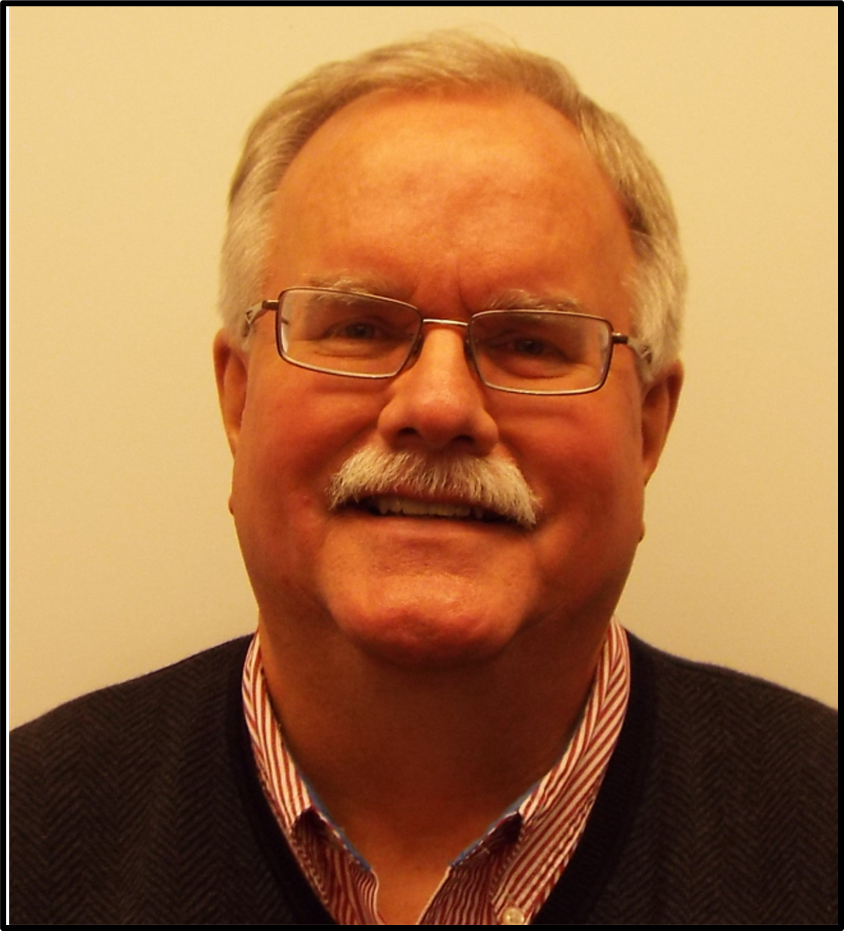 David Spitzenberger has been designing equipment and fluid power systems for over 47 years. He has extensive experience in mechanical engineering and product sales of both industrial and mobile equipment. Dave has worked for several manufacturers such as the Falk Corporation, Regal-Beloit (Grove Gear Division) and Parker Hannifin. Dave worked for 17 years at Miller Fluid Power and Parker Hannifin as a Sales Engineer. Dave is now retired but enjoys training and mentoring Sales Engineers, Designers, Technicians and Customer Service individuals in understanding the design, function and automation of all types of power transmission and fluid power equipment. Dave now works as an Adjunct Instructor for MSOE (Milwaukee School of Engineering) teaching courses on Fluid Power Specialist Certification, Basic Fluid Power, Maintenance, Safety, Troubleshooting and Failure Analysis.